
Travelling with children: ID bands and the five-minute briefing

Traveling with children can be both exciting and challenging. When venturing out, it is essential to prioritize safety, especially in crowded places like airports, train stations, or busy tourist attractions. One effective way to keep your child safe is by using ID bands and conducting a quick safety briefing before your trip.
ID bands are practical tools that can provide vital information in case you and your child become separated. Ensuring your child knows what to do if they lose sight of you is equally important. This article will guide you on what to write on an ID band, where to meet if separated, and how to rehearse these steps effectively.
What to Include on an ID Band
When creating an ID band for your child, keep the information concise and relevant. Include their full name, your contact number, and any unique identifiers such as allergies or medical conditions. This information can assist authorities or helpful bystanders in reaching you quickly.
Avoid overwhelming the band with excessive details. Remember that the goal is to provide essential information that’s easily readable. Make sure the writing is legible and clear, so it can be understood at a glance.
Choosing the Right Type of ID Band
ID bands come in various styles and materials. You can choose from fabric, silicone, or plastic bands. Consider the comfort of your child when selecting a band; it should be lightweight and not irritate their skin.
Some bands even come with adjustable features, allowing them to fit securely on your child’s wrist without being too tight. The right fit is crucial, as a loose band might fall off, while a tight band could be uncomfortable.
Where to Meet if Separated
Deciding on a designated meeting spot is vital. Choose a location that is easy to find and recognizable. Popular landmarks like a specific store, a food court, or a particular gate are good options.
Make sure your child understands the meeting point and how to get there. Point it out during your travels, so they can associate it with safety. Reassure them that they should stay put and not wander around if they lose sight of you.
The Importance of Rehearsing the Plan
Before your trip, take time to rehearse the safety plan with your child. Walk through the steps of what to do if they get lost, emphasizing the importance of staying calm. Encourage them to ask a trusted adult for help if needed.
Role-playing scenarios can help solidify their understanding. You could practice finding the meeting spot or how to present themselves to a stranger. This preparation can make a significant difference in their response during an actual situation.
Using Visual Aids
Visual aids can enhance your child’s understanding of safety procedures. Consider using simple diagrams or illustrations to show them the meeting point and how to approach a trusted adult for help.
Additionally, you could create a small booklet or card with images representing the meeting spot and key phrases they can use when seeking assistance. This method can make it easier for younger children to grasp the concept of safety in public spaces.
Discussing Emergency Contacts
Aside from your contact number, it’s helpful to discuss other emergency contacts with your child. Identify a family member or close friend they can reach out to if needed. Make sure they memorize these numbers or have them written down in a safe place.
Reiterate that they should only approach people who look trustworthy, such as police officers or uniformed staff. Empowering them with this knowledge can help them feel more secure and confident when navigating crowded areas.
Keeping Communication Open
Encourage your child to communicate openly about their feelings regarding travel safety. Ask them how they feel about being separated and address any fears or concerns they may have. This dialogue will help them feel more at ease.
Let them know it’s okay to speak up if they feel uncomfortable or scared. Reinforce that they can always return to the meeting spot or seek help from a trusted adult. This support can strengthen their confidence while traveling.
Regularly Review the Safety Plan
Make it a habit to review the safety plan regularly, especially before embarking on a new trip. Frequent discussions will reinforce the information and ensure your child remembers the procedures.
Consider setting reminders or scheduling check-ins about safety practices. As your child grows and their understanding of safety evolves, update the plan to fit their maturity and experiences.
The short version
Traveling with children requires preparation for their safety. Use ID bands with essential information, choose a recognizable meeting spot, and rehearse the plan frequently with your child. Ensure they know who to approach for help and maintain open communication about their feelings. Regular reviews of the safety plan will enhance their confidence while traveling.
Where to go next
Everything discussed here lives in Travel Safety. If you are weighing two options and cannot decide, the answers page covers the questions we get asked most, and a message reaches the people who pack the orders.
From that section
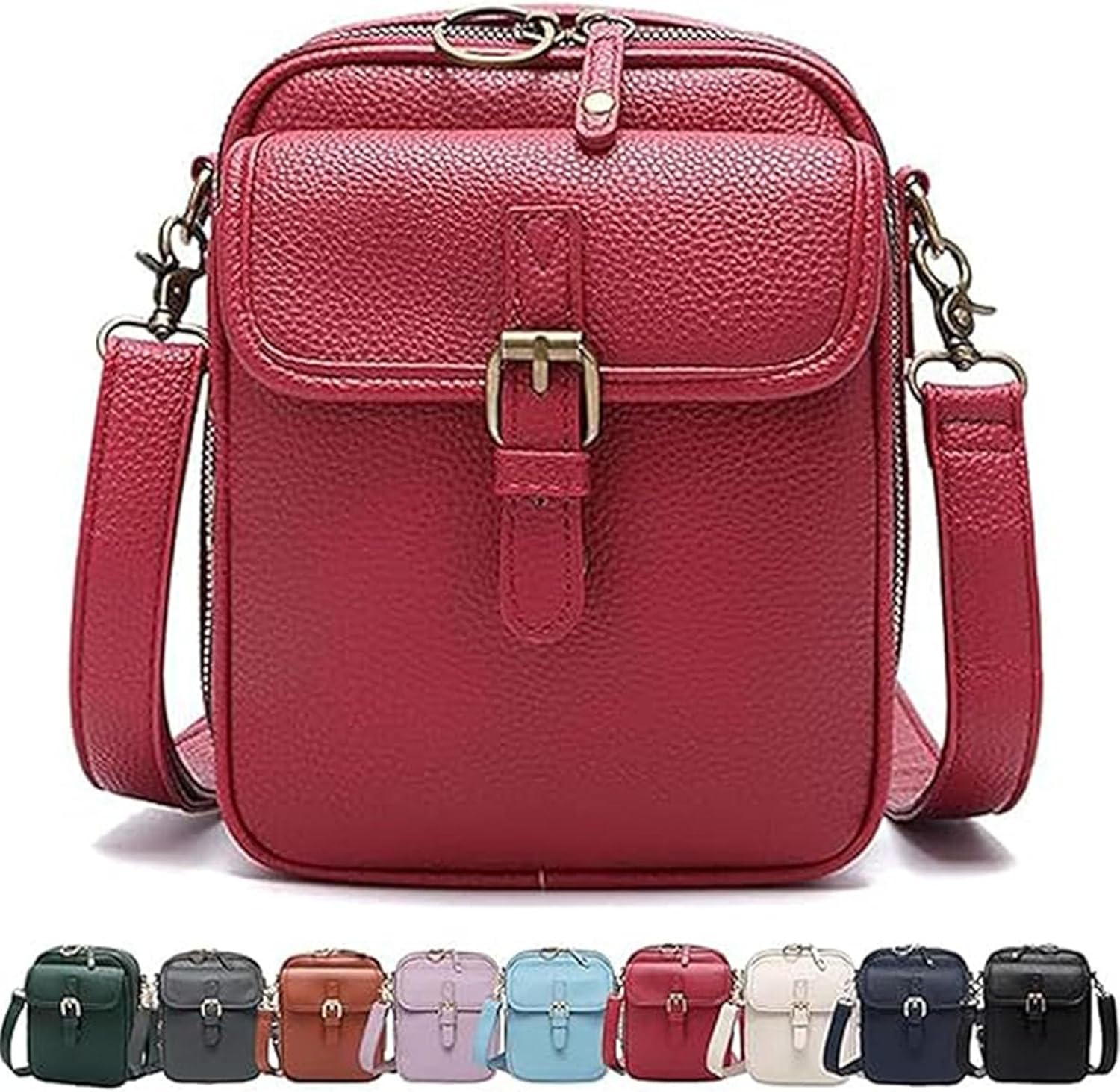
- QIFZNG Leather Crossbody Bag for Women with Anti-Theft Features
- MUNIO Self Defense Keychain – Lightweight Portable Safety Tool
- MUNIO Self Defense Keychain – Portable Safety Tool for Everyone