
What a TSA-approved lock does and does not do

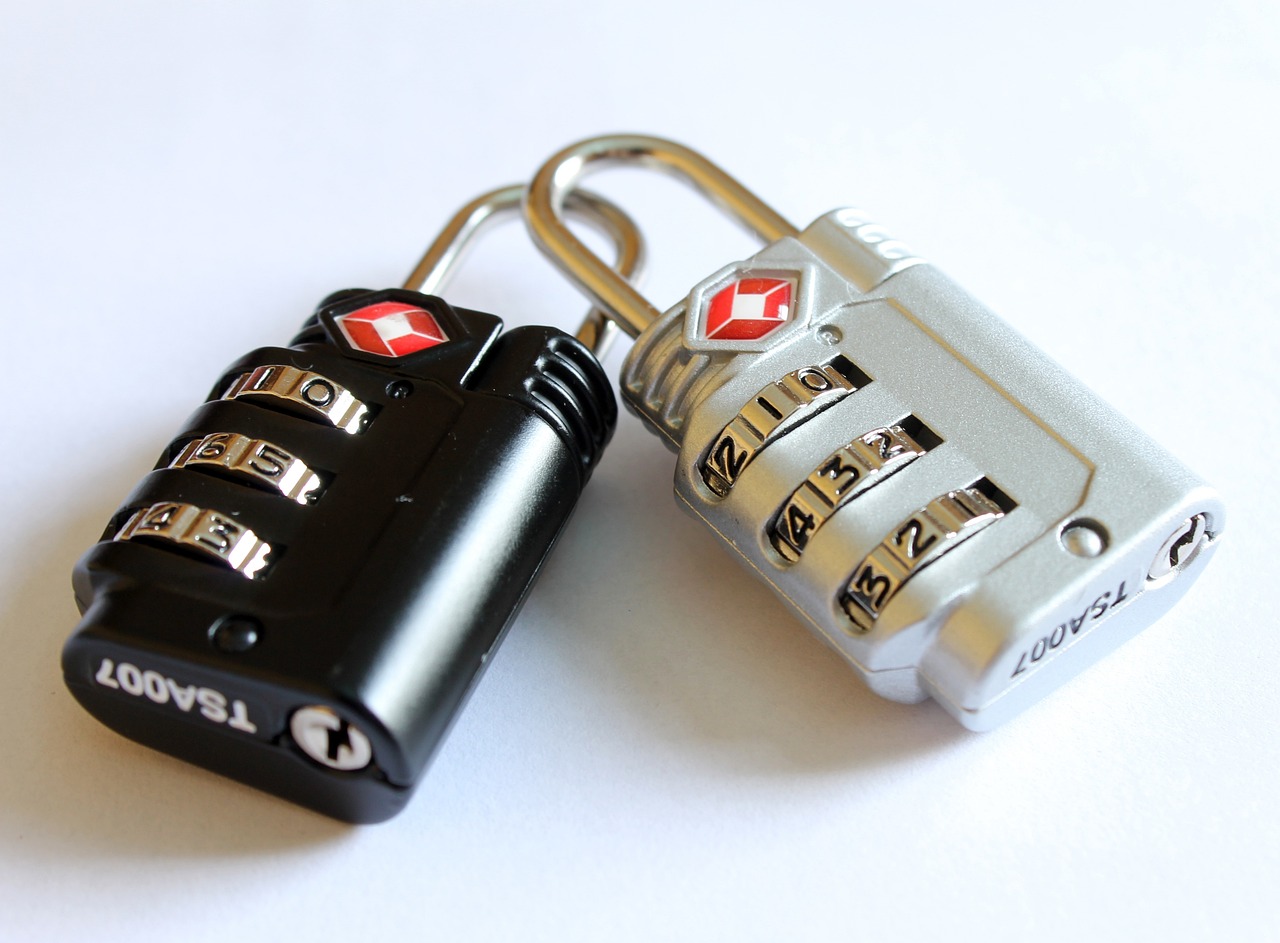
When traveling, security is a priority for many. One way to enhance the safety of your luggage is by using a TSA-approved lock. Such locks are designed to allow Transportation Security Administration (TSA) agents to open your luggage without damaging the lock or the bag itself. However, understanding what these locks can and cannot do is essential for effective travel safety.
While TSA-approved locks provide a layer of security, they are not foolproof. Travelers need to be aware of how these locks operate, including their vulnerabilities. This article delves into the functionality of TSA-approved locks, the differences between types of locks, and what you should know about travel safety accessories.
Understanding TSA-approved locks
TSA-approved locks are designed with a special mechanism that allows TSA agents to open them using a master key. This means that while your luggage remains secure from unauthorized access, it can still be inspected by security without causing any damage. The locks typically have a red diamond logo, indicating they can be opened by TSA personnel.
While these locks offer convenience during security checks, they also have limitations. Just because a lock is TSA-approved does not mean it is impenetrable. Skilled thieves can still bypass these locks if they are determined to access your belongings.
How master keys work
Master keys are a crucial aspect of TSA-approved locks. TSA agents carry a set of master keys that can open all TSA-approved locks. This allows them to inspect luggage without needing to break the lock. The use of master keys is standardized across TSA-approved locks, ensuring consistent access for security personnel.
However, the existence of master keys means that these locks may not provide as much security against theft as you might hope. If someone has a master key, they can easily access your luggage, so it’s important to choose what you pack carefully.
Cable locks versus padlocks
Cable locks and padlocks serve similar purposes but function differently. Cable locks are flexible and can be used to secure multiple items or even attach bags together. They are often lighter and easier to maneuver around luggage handles.
Padlocks tend to be more rigid and can often provide a stronger sense of security. However, they may be bulkier and less versatile than cable locks. Depending on your travel needs, one type may be more suitable than the other.
Security features of TSA-approved locks
Many TSA-approved locks come with additional security features. Some include combination settings, which eliminate the need for a physical key, while others may have a visual indicator that shows whether the lock has been opened by TSA personnel.
It’s wise to choose a lock that includes durable materials and robust construction to withstand attempts at tampering. Always examine the lock’s features to ensure it aligns with your travel safety needs.
Limitations of TSA-approved locks
Despite their benefits, TSA-approved locks are not entirely foolproof. As mentioned, the presence of a master key means that these locks can be opened by TSA agents, but they can also be compromised by skilled thieves. It is essential to understand that these locks are more of a deterrent than a guarantee of security.
Additionally, the design of some TSA-approved locks makes them susceptible to manipulation. A determined individual may exploit weaknesses in the lock mechanism, so it’s important to combine the use of locks with other safety practices.
What can open a TSA lock without cutting?
Besides TSA master keys, there are various tools that can open TSA-approved locks without cutting them. These tools can include lock picks or shim tools, which are often used by professionals for non-destructive entry. While these tools are not commonly available to the average individual, they do pose a potential risk for travelers.
Common tools that may open TSA locks:
- Lock picks
- Shim tools
Being aware of these possibilities can help you take additional precautions. Always consider the contents of your luggage and whether they are worth the risk of being accessed by someone other than you.
Best practices for using TSA-approved locks
To maximize the security of your luggage, use TSA-approved locks in conjunction with other safety measures. Always keep valuables in your carry-on bag whenever possible. Additionally, consider using luggage straps or additional locking mechanisms to deter tampering.
Regularly inspect your locks for any signs of wear or damage. A compromised lock can be a weak point in your travel security, so maintaining the integrity of your locking mechanisms is crucial.
The short version
While TSA-approved locks add a layer of security to your luggage, they are not foolproof. Understanding how they work, their limitations, and best practices for their use will help you travel more safely. Always prioritize keeping valuables with you and inspect your locks regularly for optimal security.
Understanding Master Keys and Their Implications
While TSA-approved locks provide a level of security for your luggage, it’s essential to understand that they can be opened by TSA agents using master keys. This means that while your belongings are protected from casual theft, they are still accessible to authorized personnel during security checks. As a traveler, this duality can offer peace of mind, knowing that professionals can inspect your luggage without damaging your lock.
When choosing between cable locks and padlocks, consider their respective strengths. Cable locks offer flexibility and can secure multiple items, making them ideal for securing backpacks or multiple bags. In contrast, padlocks provide a more robust solution for traditional luggage. Both options are TSA-approved, but understanding their functionality and how security personnel can access them can help you make a more informed decision for your travel safety accessories.
Where to go next
Everything discussed here lives in Travel Safety. If you are weighing two options and cannot decide, the answers page covers the questions we get asked most, and a message reaches the people who pack the orders.
From that section
- QIFZNG Leather Crossbody Bag for Women with Anti-Theft Features
- MUNIO Self Defense Keychain – Lightweight Portable Safety Tool
- MUNIO Self Defense Keychain – Portable Safety Tool for Everyone